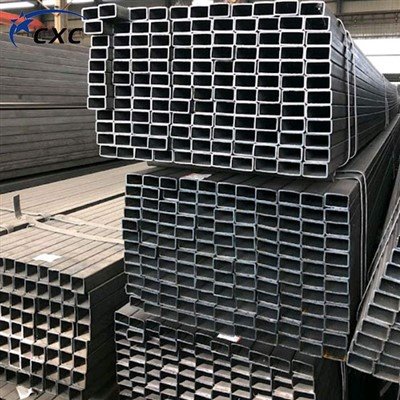
The structural design of galvanized steel pipes is based on the core logic of "matrix reinforcement + surface protection." Through multi-layered synergy, it achieves a balance between high strength and corrosion resistance. Its construction can be divided into two main parts: the base steel pipe and the galvanized protective layer. Each layer incorporates specific engineering considerations.
The base steel pipe is the foundation of the structure. It is typically made of high-quality carbon structural steel or low-alloy steel, cold-rolled or hot-rolled, possessing good mechanical strength and processing performance. The pipe cross-section is mostly circular, but it can also be made into square, rectangular, and other irregular structures according to requirements. The wall thickness is graded according to the pressure rating and application scenario, ensuring it can withstand internal pressure and external loads while avoiding material redundancy. The continuity of the base material is crucial. Welded steel pipes must ensure that the weld strength is not lower than that of the base material, while seamless steel pipes eliminate joints through piercing, cold drawing/rolling processes, reducing the risk of leakage and breakage from the source.
The galvanized protective layer is a key functional layer of the structure, with hot-dip galvanizing being the mainstream process. The zinc coating is not simply an adhesion layer, but rather a composite structure formed through a metallurgical reaction with the substrate, consisting of a zinc-iron alloy layer (inner layer) and a pure zinc layer (outer layer). The alloy layer has high hardness and strong adhesion, resisting mechanical damage; the pure zinc layer is softer but has good ductility, covering microscopic defects in the substrate and forming a continuous barrier. The uniformity of the zinc layer thickness directly affects the protective effectiveness. Standards stipulate that the average thickness of the zinc layer for ordinary grades should not be less than 65μm, while for thicker grades it can reach over 85μm, ensuring long-term stability in complex environments such as the atmosphere and soil.
This "rigid-flexible" structural design gives galvanized steel pipes both the load-bearing toughness of the substrate and the active corrosion protection capability of the zinc layer, making it a classic example of a pipe structure that balances safety and economy.