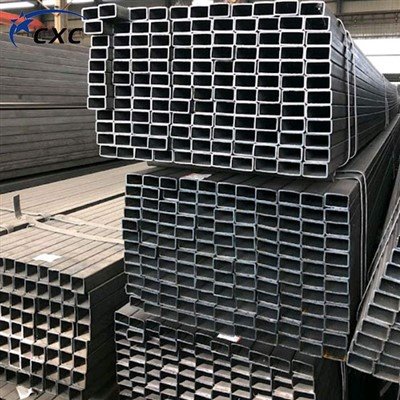
Irregularly shaped tubes, due to their diverse cross-sectional shapes and highly specialized functions, play critical roles in high-end manufacturing, building structures, transportation, and energy equipment.However, their complex geometry and variable service environments necessitate more targeted and periodic maintenance. Scientifically setting and strictly adhering to maintenance cycles can not only delay material degradation and maintain structural performance but also effectively prevent sudden failures, extending the life-cycle value of irregularly shaped tubes.
The determination of maintenance cycles for irregularly shaped tubes should first be based on a classification of their operating environment and load characteristics. In indoor environments with normal temperature, dryness, and no corrosive media, the maintenance cycle can be appropriately relaxed, generally with a comprehensive inspection and maintenance interval of six months to one year. However, under harsh conditions such as marine climates, chemical corrosion, or high humidity and high heat, the interval should be shortened to once a quarter or even once a month to promptly detect and address surface corrosion, coating damage, or localized deformation. For irregularly shaped tubular components subjected to high-frequency dynamic loads, vibration, or impact, due to the rapid rate of fatigue accumulation, it is recommended to set maintenance milestones based on operating hours, such as performing non-destructive testing and fastener retightening every 2000 to 5000 hours of operation.
Routine inspections are the first line of defense in the maintenance cycle and are typically conducted monthly or bi-weekly. This includes visually inspecting whether the cross-sectional shape maintains the design outline, checking for cracks, wear, or corrosion spots at welds and edges, verifying the looseness of connections, and ensuring the integrity of the anti-corrosion coating. For concealed areas or areas difficult to observe visually, regular inspections using endoscopes or ultrasonic testing should be conducted to prevent defects from spreading between cycles.
Interim maintenance is usually implemented quarterly or semi-annually, covering cleaning, protective coating repair, and tightening adjustments. Due to their irregular cross-sections and larger surface areas and edges, irregularly shaped tubular components easily accumulate dust, oil, or corrosive media. Appropriate solvents and soft tools should be used for removal to avoid scratching the substrate. Localized peeling of the anti-corrosion coating should be promptly reapplied, and welded areas or cuts should be re-passivated or sealed. For bolted or welded connections, the preload or weld integrity must be checked, and the connections should be retightened or replaced according to specifications.
Long-term maintenance is generally scheduled annually or across years. In addition to repeating mid-term maintenance items, mechanical performance checks should be conducted, such as sampling for tensile, bending, or flattening tests to assess material performance degradation. For shaped tubes with long service lives, metallographic analysis can be used to assess microstructural changes and predict remaining lifespan. If excessive cross-sectional deformation or a decline in key performance is found, replacement or reinforcement should be considered.
In general, the maintenance cycle for shaped tubes needs to be determined based on a comprehensive assessment of environmental severity, load type, and service life limitations, forming a closed-loop management system through routine inspections, mid-term maintenance, and long-term evaluation. Strict adherence to the established cycle can maintain the geometric accuracy and functional reliability of shaped tubes while minimizing maintenance risks and replacement costs, providing a solid guarantee for the continuous and stable operation of the engineering system.