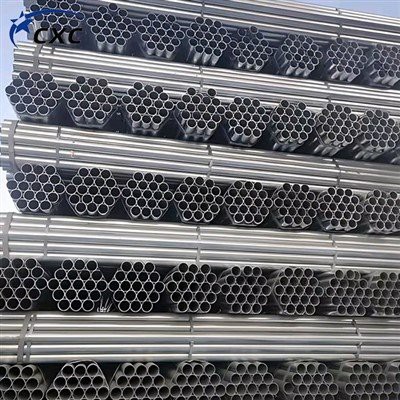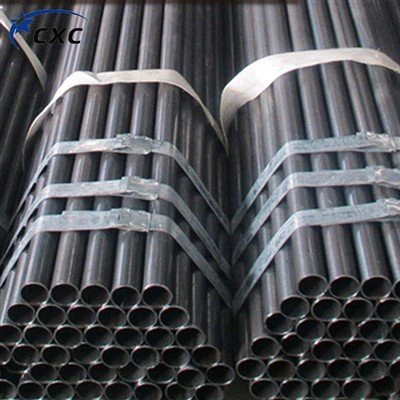

As a supplier of Galvanized Steel Pipes, I've often encountered inquiries about the chemical composition of these pipes. Understanding the chemical makeup is crucial as it directly impacts the pipes' properties, performance, and applications. In this blog, I'll delve into the details of what galvanized steel pipes are composed of and why it matters.
The Base Material: Steel
At the core of galvanized steel pipes is, of course, steel. Steel is an alloy primarily made up of iron (Fe) and carbon (C). The amount of carbon present in steel can vary, and this variation significantly affects the steel's properties.


- Iron (Fe): Iron is the main component of steel, typically accounting for more than 90% of the base material. It provides the structural strength and rigidity of the pipes. Iron has a high tensile strength, which means it can withstand a large amount of pulling force without breaking. This property is essential for pipes that are used in various applications, such as water supply, gas transportation, and structural support.
- Carbon (C): Carbon is the second most important element in steel. The carbon content in steel usually ranges from 0.03% to 2.1%. A higher carbon content generally results in a harder and stronger steel, but it also makes the steel more brittle. For galvanized steel pipes, the carbon content is carefully controlled to balance strength and ductility. Pipes with a lower carbon content are more ductile and can be easily bent and shaped during installation, while those with a slightly higher carbon content offer greater strength for heavy - duty applications.
In addition to iron and carbon, steel may also contain other elements in small amounts:
- Manganese (Mn): Manganese is added to steel to improve its strength, hardness, and wear resistance. It also helps to deoxidize the steel during the manufacturing process. In galvanized steel pipes, manganese typically accounts for 0.25% - 1.5% of the composition.
- Silicon (Si): Silicon is used as a deoxidizer and also improves the strength and hardness of steel. It is usually present in steel at a level of 0.1% - 0.5%.
- Sulfur (S) and Phosphorus (P): These are considered impurities in steel. Sulfur can reduce the ductility and weldability of steel, while phosphorus can make the steel brittle, especially at low temperatures. Therefore, the content of sulfur and phosphorus in galvanized steel pipes is strictly controlled, usually less than 0.05% each.
The Galvanizing Layer: Zinc
The defining characteristic of galvanized steel pipes is the zinc coating on the surface of the steel. The zinc layer serves as a protective barrier that prevents the underlying steel from rusting and corroding.
- Zinc (Zn): Zinc is the main component of the galvanizing layer. There are two common methods of galvanizing: hot - dip galvanizing and electro - galvanizing. In hot - dip galvanizing, the steel pipes are immersed in a bath of molten zinc at a temperature of about 450°C. This process forms a thick and durable zinc coating on the surface of the pipes. The zinc coating can range from 40 - 100 microns in thickness, depending on the application requirements. In electro - galvanizing, a thin layer of zinc is deposited on the steel surface through an electrochemical process. The thickness of the electro - galvanized coating is usually around 5 - 20 microns.
The zinc coating protects the steel in two ways:
- Physical Barrier: The zinc layer acts as a physical barrier between the steel and the surrounding environment, preventing oxygen, water, and other corrosive substances from reaching the steel surface.
- Sacrificial Protection: Zinc is more reactive than iron. When the zinc coating is damaged and the underlying steel is exposed, zinc will corrode preferentially, sacrificing itself to protect the steel. This is known as sacrificial protection.
Other Elements in the Galvanizing Layer
In addition to zinc, the galvanizing layer may also contain small amounts of other elements:
- Iron (Fe): During the hot - dip galvanizing process, some iron from the steel base diffuses into the zinc coating, forming intermetallic compounds such as FeZn₇ and FeZn₁₃. These compounds contribute to the adhesion and durability of the zinc coating.
- Aluminum (Al): In some cases, a small amount of aluminum (usually less than 1%) is added to the zinc bath during hot - dip galvanizing. Aluminum can improve the appearance of the zinc coating, reduce the formation of zinc oxide, and enhance the corrosion resistance of the coating, especially in certain environments.
Impact of Chemical Composition on Properties and Applications
The chemical composition of galvanized steel pipes has a direct impact on their properties and applications:
- Strength and Durability: The combination of the steel base and the zinc coating gives galvanized steel pipes high strength and durability. The steel provides the structural support, while the zinc coating protects the steel from corrosion, extending the service life of the pipes. These pipes are widely used in construction, infrastructure, and industrial applications where long - term reliability is required.
- Corrosion Resistance: The zinc coating is the key to the excellent corrosion resistance of galvanized steel pipes. They can withstand exposure to various corrosive environments, such as moisture, soil, and chemicals. This makes them suitable for applications such as water pipes, sewage pipes, and outdoor structures.
- Weldability: The chemical composition of the steel base affects the weldability of galvanized steel pipes. Pipes with a lower carbon content and appropriate levels of other elements are more easily welded. However, the zinc coating can pose challenges during welding, as the zinc may vaporize and cause porosity and other defects in the weld. Special welding techniques and precautions are often required to ensure high - quality welds.
Types of Galvanized Steel Pipes and Their Chemical Composition
There are several types of galvanized steel pipes available in the market, each with its own characteristics and applications:
- Galvanized ERW Steel Pipe: Electric Resistance Welded (ERW) steel pipes are made by rolling a steel strip into a tube and then welding the seam using an electric current. The chemical composition of galvanized ERW steel pipes is similar to that of other galvanized steel pipes, with a steel base and a zinc coating. These pipes are commonly used in water supply, heating, and ventilation systems.
- Hot Dip Galvanized Steel Pipe: As mentioned earlier, hot - dip galvanized steel pipes have a thick and durable zinc coating. The chemical composition of the steel base remains the same, but the hot - dip process results in a more uniform and adherent zinc coating. These pipes are suitable for applications where high - level corrosion protection is required, such as in marine environments and outdoor structures.
- Galvanized Round Pipe: Galvanized round pipes are available in various diameters and wall thicknesses. Their chemical composition is consistent with other galvanized steel pipes, and they are widely used in construction, furniture, and automotive industries.
- Custom Galvanized Pipe: For special applications, custom galvanized pipes can be produced. The chemical composition of these pipes can be adjusted according to the specific requirements of the customer, such as the carbon content, zinc coating thickness, and the presence of other elements.
Conclusion
In conclusion, the chemical composition of galvanized steel pipes is a complex combination of the steel base and the zinc coating. The steel base, mainly composed of iron and carbon with small amounts of other elements, provides the strength and structure of the pipes. The zinc coating, with its protective properties, enhances the corrosion resistance of the pipes. Understanding the chemical composition is essential for selecting the right type of galvanized steel pipes for different applications.
If you are in the market for Galvanized Steel Pipes and need more information about their chemical composition, properties, or applications, feel free to contact us. We are a professional supplier of galvanized steel pipes and can provide you with high - quality products and excellent service. Let's start a conversation about your specific needs and find the best solutions for your projects.