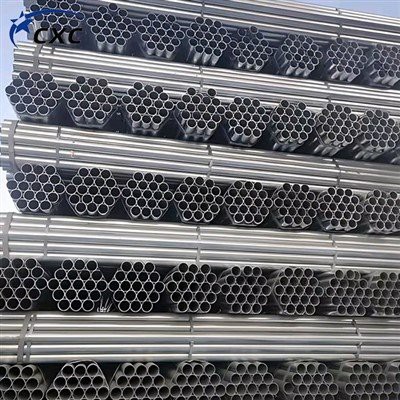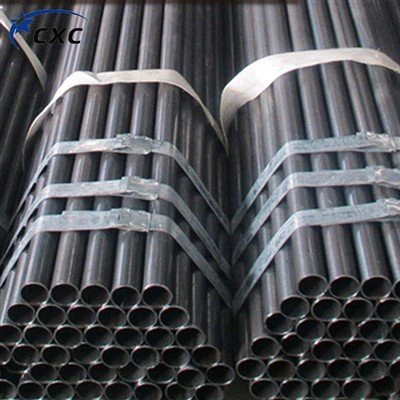

Precision Bright Steel Pipe is highly valued in numerous industries for its precision dimensions, smooth surface finish, and excellent mechanical properties. However, one of the significant challenges it faces is corrosion, which can compromise its structural integrity and performance. As a leading supplier of Precision Bright Steel Pipe, we've gained extensive experience in implementing effective corrosion-resistant measures. In this blog post, we'll explore the various strategies and techniques to safeguard our pipes from corrosion.
Understanding Corrosion in Precision Bright Steel Pipe
Before delving into the corrosion-resistant measures, it's crucial to understand the types of corrosion that can affect Precision Bright Steel Pipe. The most common forms include uniform corrosion, pitting corrosion, crevice corrosion, and stress corrosion cracking. Uniform corrosion gradually eats away at the surface of the pipe, while pitting corrosion creates small holes or pits. Crevice corrosion occurs in narrow spaces, and stress corrosion cracking is caused by the combined action of stress and a corrosive environment.
Surface Coating
One of the most widely used corrosion-resistant measures is applying a protective surface coating. This acts as a barrier between the steel pipe and the corrosive environment, preventing direct contact and reducing the risk of corrosion.
Paint and Enamel Coatings
Paint and enamel coatings are cost - effective and easy to apply. They can provide good protection against atmospheric corrosion and some chemical environments. For Precision Bright Steel Pipe used in indoor applications or in mildly corrosive outdoor settings, a high - quality paint coating can significantly extend its service life. The coating can be customized to match the aesthetic requirements of different applications.
Galvanizing
Galvanizing involves coating the steel pipe with a layer of zinc. Zinc is more reactive than iron, so it acts as a sacrificial anode. When the pipe is exposed to a corrosive environment, the zinc corrodes first, protecting the underlying steel. There are two main types of galvanizing: hot - dip galvanizing and electro - galvanizing. Hot - dip galvanizing provides a thick and durable zinc coating, suitable for outdoor applications where the pipe is exposed to harsh weather conditions. Electro - galvanizing, on the other hand, offers a thinner but more uniform coating, often used in applications where a smoother surface finish is required.


Epoxy Coatings
Epoxy coatings are known for their excellent chemical resistance and adhesion. They can form a tough and durable protective layer on the surface of the Precision Bright Steel Pipe. Epoxy coatings are commonly used in applications where the pipe comes into contact with chemicals, such as in the chemical processing industry. They can also provide good protection against abrasion, which is beneficial in environments where the pipe may be subjected to mechanical wear.
Material Selection
The choice of steel material significantly impacts the corrosion resistance of Precision Bright Steel Pipe. Different grades of steel have varying levels of resistance to corrosion.
Stainless Steel
Stainless steel is a popular choice for applications where high corrosion resistance is required. It contains chromium, which forms a passive oxide layer on the surface of the steel. This layer acts as a self - healing barrier, protecting the steel from further corrosion. There are different grades of stainless steel, such as 304 and 316. Grade 316 stainless steel, which contains molybdenum, offers enhanced corrosion resistance in chloride - containing environments, making it suitable for marine applications. Bright Round Steel Pipe made of stainless steel is widely used in architecture, food processing, and medical equipment industries due to its excellent corrosion resistance and hygienic properties.
Alloy Steels
Alloy steels are made by adding other elements, such as nickel, copper, or aluminum, to the base steel. These alloying elements can improve the corrosion resistance of the steel by altering its microstructure and surface properties. For example, adding copper to steel can enhance its resistance to atmospheric corrosion. Alloy steels are often used in specialized applications where a combination of mechanical strength and corrosion resistance is required.
Environmental Modification
Controlling the environment where the Precision Bright Steel Pipe is used can also help prevent corrosion.
pH Control
In some industrial processes, the pH of the surrounding environment can have a significant impact on corrosion. By adjusting the pH to a more neutral or slightly alkaline level, the rate of corrosion can be reduced. This can be achieved by adding chemicals or using pH - buffering systems. For example, in water treatment systems, maintaining the proper pH of the water can prevent corrosion of the steel pipes.
Oxygen Removal
Oxygen is one of the key factors in the corrosion process. Removing or reducing the oxygen content in the environment can slow down the corrosion rate. This can be done through techniques such as deaeration or the use of oxygen - scavenging chemicals. In closed - loop systems, such as heating and cooling systems, oxygen removal can be an effective way to protect the Precision Bright Steel Pipe from corrosion.
Design and Installation Considerations
Proper design and installation of Precision Bright Steel Pipe can also contribute to its corrosion resistance.
Avoiding Crevices
As mentioned earlier, crevice corrosion can be a significant problem. When designing and installing the pipes, it's important to avoid creating narrow spaces or crevices where moisture and corrosive substances can accumulate. This can be achieved by using proper joint designs and ensuring a smooth and continuous surface.
Drainage
Ensuring proper drainage is essential to prevent the accumulation of water on the surface of the pipe. Standing water can accelerate corrosion, especially in the presence of contaminants. Pipes should be installed with a proper slope to allow water to drain away easily.
Maintenance and Inspection
Regular maintenance and inspection are crucial to detect and address corrosion issues early.
Visual Inspection
Visual inspection should be carried out regularly to check for signs of corrosion, such as rust spots, discoloration, or pitting. Any areas showing signs of corrosion should be marked and monitored closely.
Non - Destructive Testing
Non - destructive testing methods, such as ultrasonic testing and magnetic particle testing, can be used to detect internal corrosion or defects in the pipe without damaging it. These tests can help identify potential problems before they become serious.
Maintenance
If corrosion is detected, appropriate maintenance measures should be taken immediately. This may include cleaning the corroded area, applying a new coating, or replacing the damaged section of the pipe.
As a reliable supplier of Precision Bright Steel Pipe, we are committed to providing high - quality products with excellent corrosion resistance. Our team of experts can help you select the most suitable corrosion - resistant measures based on your specific application requirements. Whether you need Cold Rolled Bright Steel Tube, Bright Square Steel Tube, or Chair Gas Lift Cylinder Tube, we have the solutions to meet your needs.
If you are interested in our Precision Bright Steel Pipe products and want to discuss your specific requirements, please feel free to reach out. We look forward to the opportunity to work with you and provide you with the best corrosion - resistant steel pipe solutions.