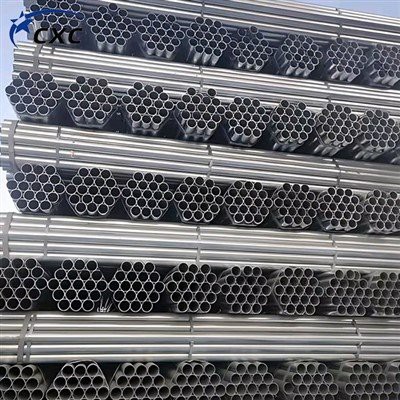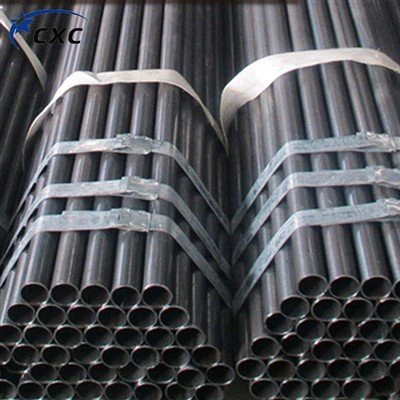

As a long - standing supplier of HDG (Hot - Dip Galvanized) pipes, I've witnessed firsthand the remarkable performance and durability of these essential construction materials. One of the most frequently asked questions by our customers is about how the zinc coating on HDG pipes wears over time. In this blog post, I'll delve into the factors that influence the wear of the zinc coating on HDG pipes, shedding light on its long - term performance.
Understanding Hot - Dip Galvanizing
Before we discuss the wear of the zinc coating, let's briefly understand what hot - dip galvanizing is. Hot - dip galvanizing is a process where steel pipes are submerged in a bath of molten zinc at approximately 450°C. During this process, a series of zinc - iron alloy layers are formed on the surface of the steel. These layers provide excellent protection against corrosion, as zinc acts as a sacrificial anode, corroding in place of the underlying steel when exposed to a corrosive environment.
Factors Affecting the Wear of Zinc Coating
1. Environmental Conditions
The environment in which HDG pipes are installed plays a crucial role in the wear of the zinc coating. In mild, dry environments, the zinc coating can last for decades with minimal wear. For example, in indoor applications such as plumbing systems in residential buildings, the zinc coating is protected from harsh weather conditions and pollutants. The low humidity and lack of direct exposure to corrosive agents slow down the corrosion process, resulting in very little wear of the zinc coating.
On the other hand, in harsh outdoor environments, the wear rate can be significantly higher. Coastal areas are particularly challenging due to the presence of salt in the air. Saltwater is highly corrosive, and it accelerates the oxidation of the zinc coating. The chloride ions in saltwater react with zinc to form zinc chloride, which can be washed away by rain or seawater, gradually exposing the underlying steel. Industrial areas are also problematic, as they often contain pollutants such as sulfur dioxide, nitrogen oxides, and particulate matter. These pollutants can react with the zinc coating, leading to faster wear.
2. Mechanical Abrasion
Mechanical abrasion is another factor that can cause the wear of the zinc coating on HDG pipes. During transportation, installation, or in applications where the pipes are subject to physical contact, the zinc coating can be scratched or chipped. For instance, if pipes are not properly protected during handling and are dragged across rough surfaces, the outer layer of the zinc coating can be damaged. Once the zinc coating is breached, the underlying steel is exposed to the environment, and corrosion can start to occur at the damaged points.


In some industrial applications, such as mining or construction sites where there is a lot of heavy machinery and equipment movement, the pipes may be subject to more severe mechanical abrasion. The impact from falling objects or the friction caused by moving parts can cause significant wear to the zinc coating.
3. Chemical Exposure
HDG pipes may come into contact with various chemicals in different applications. Some chemicals are more corrosive to the zinc coating than others. For example, acids and alkalis can react vigorously with zinc. In a chemical processing plant where the pipes are used to transport acidic or alkaline fluids, the zinc coating can wear out relatively quickly. The chemical reaction between the zinc and the corrosive substance can dissolve the zinc, leaving the steel vulnerable to corrosion.
Even in less extreme cases, contact with certain chemicals in soil or water can also affect the zinc coating. For example, soils with high levels of sulfur or certain types of groundwater with high mineral content can cause the zinc coating to wear over time.
Stages of Zinc Coating Wear
1. Initial Oxidation
When HDG pipes are first exposed to the environment, the surface of the zinc coating reacts with oxygen in the air to form a thin layer of zinc oxide. This initial oxidation is a natural process and actually helps to protect the underlying zinc and steel. The zinc oxide layer acts as a barrier, preventing further oxidation of the zinc coating to some extent.
2. Formation of Corrosion Products
Over time, especially in the presence of moisture and other corrosive agents, the zinc oxide layer may react further to form more complex corrosion products. In a normal environment, these corrosion products can form a protective patina on the surface of the pipe. For example, in a slightly acidic environment, zinc hydroxide and zinc carbonate may be formed. These corrosion products are relatively stable and can slow down the corrosion process.
However, in a more corrosive environment, these corrosion products may be washed away or may not form a stable protective layer. This leads to further exposure of the zinc coating to the environment and accelerates the wear process.
3. Exposure of the Underlying Steel
As the zinc coating wears away, eventually, the underlying steel may be exposed. Once the steel is exposed, corrosion can occur at a much faster rate. This is because steel does not have the same sacrificial protection mechanism as the zinc coating. Rust can start to form on the exposed steel, and if not addressed in a timely manner, it can lead to structural damage of the pipe.
Measuring the Wear of Zinc Coating
There are several methods to measure the wear of the zinc coating on HDG pipes. One common method is to use a coating thickness gauge. This device can measure the thickness of the zinc coating at different points on the pipe. By periodically measuring the coating thickness over time, it is possible to track the rate of wear.
Another method is to conduct visual inspections. Look for signs of corrosion, such as the formation of rust, white or yellowish corrosion products, or visible damage to the zinc coating. Advanced techniques such as electron microscopy can also be used to analyze the composition and structure of the zinc coating and the corrosion products, providing more detailed information about the wear process.
Mitigating the Wear of Zinc Coating
1. Proper Installation and Handling
To reduce mechanical abrasion, it is essential to handle HDG pipes with care during transportation and installation. Pipes should be protected with appropriate padding to prevent scratches and impacts. During installation, proper installation techniques should be followed to avoid unnecessary stress on the pipes.
2. Coating Maintenance
In some cases, applying a supplementary coating on top of the zinc coating can provide additional protection. For example, a paint coating can act as a physical barrier, reducing the exposure of the zinc coating to corrosive agents. Regular inspections and maintenance of the pipes can also help to identify and address any issues with the zinc coating before they become serious.
3. Choosing the Right Environment
When planning the use of HDG pipes, it is important to consider the environment. If possible, avoid installing the pipes in extremely harsh environments without taking additional protective measures. For example, if the pipes are to be used in a coastal area, extra coating or proper ventilation can be considered to reduce the impact of saltwater corrosion.
Conclusion
The wear of the zinc coating on HDG pipes is influenced by a variety of factors, including environmental conditions, mechanical abrasion, and chemical exposure. Understanding these factors is crucial for ensuring the long - term performance of the pipes. As a supplier of Galvanized Steel Pipes, Galvanized Round Pipe, Galvanised Metal Tubing, Custom Galvanized Pipe, and Galvanized Hollow Pipe, we are committed to providing high - quality products and technical support to our customers.
If you are considering purchasing HDG pipes for your project, we encourage you to contact us for more information. Our team of experts can help you select the right pipes and provide guidance on installation and maintenance to ensure the best performance and durability of the zinc coating over time.