
In the world of construction, manufacturing, and various industrial applications, round steel pipes play a pivotal role. As a seasoned supplier of round steel pipes, I've witnessed firsthand the importance of high - quality products and the significance of certifications in ensuring that quality. Today, I'd like to delve into the certifications that signify a high - quality round steel pipe.
Understanding the Basics of Round Steel Pipes
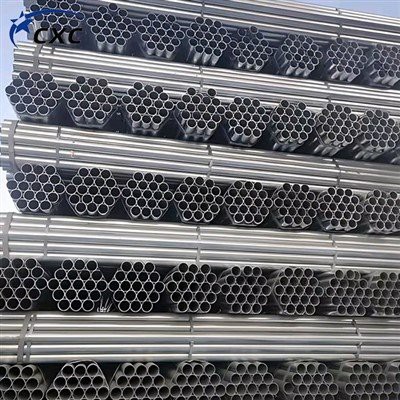
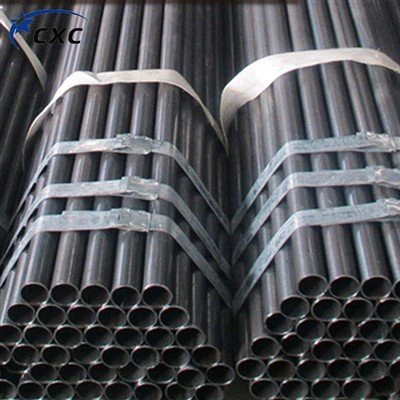
Before we jump into the certifications, let's briefly understand the different types of round steel pipes available. We offer a wide range of products, including Hot Rolled Round Steel Tubing, Galvanized Round Steel Pipe, Black Round Steel Tube, Bright Round Steel Tube, and Metal Tubing Round. Each type has its unique properties and applications, but they all share the common need for quality assurance.
Key Certifications for High - Quality Round Steel Pipes
ISO 9001: Quality Management System
ISO 9001 is an internationally recognized standard for quality management systems. A round steel pipe manufacturer with ISO 9001 certification demonstrates a commitment to consistently providing products and services that meet customer and regulatory requirements. This certification ensures that the company has a well - defined quality management system in place, covering aspects such as product design, production, testing, and customer feedback.
When a pipe is manufactured under an ISO 9001 - compliant system, it means that every step of the production process is carefully monitored and controlled. From the selection of raw materials to the final inspection, strict quality control measures are implemented. This results in round steel pipes that are more likely to be of high quality, with consistent dimensions, mechanical properties, and surface finish.
ASTM Standards
The American Society for Testing and Materials (ASTM) has developed a comprehensive set of standards for steel pipes. ASTM standards cover a wide range of properties and requirements, including chemical composition, mechanical properties, manufacturing processes, and testing methods.
For round steel pipes, some of the commonly referenced ASTM standards include ASTM A53, which covers seamless and welded black and hot - dipped galvanized steel pipe for general use; ASTM A106, which is for seamless carbon steel pipe for high - temperature service; and ASTM A312, which is for seamless and welded austenitic stainless steel pipe.
Compliance with ASTM standards ensures that the round steel pipes meet specific industry - recognized benchmarks. These standards help ensure the pipes' suitability for various applications, from low - pressure plumbing systems to high - pressure and high - temperature industrial environments.
API 5L
The American Petroleum Institute's API 5L standard is specifically designed for steel pipes used in the oil and gas industry. Round steel pipes that meet API 5L requirements are suitable for the transportation of various fluids, including crude oil, natural gas, and water.
API 5L specifies requirements for seamless and welded steel pipes, covering aspects such as chemical composition, mechanical properties, dimensions, and testing methods. Pipes certified to API 5L must undergo rigorous testing to ensure they can withstand the harsh conditions of oil and gas exploration, production, and transportation. This includes testing for tensile strength, yield strength, hardness, and impact resistance.
CE Marking
CE marking is a mandatory conformity marking for products sold in the European Economic Area (EEA). For round steel pipes, CE marking indicates that the product complies with relevant European Union (EU) health, safety, and environmental protection directives.
The CE marking process involves a detailed assessment of the product's design, manufacturing process, and performance. Manufacturers must demonstrate that their round steel pipes meet the essential requirements of the applicable EU directives, such as the Pressure Equipment Directive (PED) if the pipes are used in pressure - containing applications. CE marking gives customers confidence that the pipes are safe to use and comply with European standards.
The Importance of Certifications in the Market
Certifications are not just pieces of paper; they have real - world implications for both suppliers and customers.
For Suppliers
As a round steel pipe supplier, holding relevant certifications is a sign of credibility and professionalism. It allows us to differentiate ourselves from competitors in the market. Customers are more likely to trust and purchase from a supplier that can demonstrate compliance with recognized standards.
Certifications also help us in maintaining high - quality production processes. They provide a framework for continuous improvement, ensuring that we are constantly striving to enhance the quality of our products. This, in turn, leads to increased customer satisfaction, repeat business, and a better reputation in the industry.
For Customers
Customers benefit greatly from dealing with certified round steel pipe suppliers. Certifications provide assurance that the pipes they are purchasing meet specific quality and safety standards. This reduces the risk of product failure, which can lead to costly repairs, downtime, or even safety hazards.
Moreover, in some industries, such as construction and oil and gas, using certified products may be a regulatory requirement. By choosing certified round steel pipes, customers can ensure that their projects comply with relevant laws and regulations.


How We Ensure Certification Compliance
At our company, we take certification compliance very seriously. We work closely with our manufacturing partners to ensure that all our round steel pipes meet the highest standards.
Raw Material Selection
We source our raw materials from reputable suppliers. Before using any raw material, we conduct thorough inspections to ensure it meets the required chemical composition and mechanical property specifications. This is the first step in ensuring that the final product will be of high quality and compliant with relevant certifications.
Production Process Control
Our manufacturing partners follow strict production processes that are in line with the requirements of the certifications. For example, in the case of ISO 9001, they have documented quality control procedures for every stage of production, from melting and casting to forming and finishing.
Testing and Inspection
We subject our round steel pipes to a series of tests and inspections. These include non - destructive testing methods, such as ultrasonic testing and magnetic particle testing, to detect any internal or surface defects. We also conduct destructive testing, such as tensile testing and hardness testing, to verify the mechanical properties of the pipes.
Conclusion
In conclusion, certifications are an essential aspect of high - quality round steel pipes. Whether it's ISO 9001 for overall quality management, ASTM standards for general industry use, API 5L for the oil and gas sector, or CE marking for the European market, each certification plays a crucial role in ensuring the quality, safety, and performance of the pipes.
As a reliable round steel pipe supplier, we are committed to providing our customers with products that meet or exceed these certification requirements. If you are in need of high - quality round steel pipes for your project, we invite you to contact us to discuss your specific requirements. We look forward to the opportunity to work with you and provide you with the best - quality round steel pipes in the market.