
What is the corrosion resistance of square steel pipes?
As a seasoned supplier of square steel pipes, I've witnessed firsthand the critical role that corrosion resistance plays in the performance and longevity of these versatile products. In this blog, we'll delve into the concept of corrosion resistance in square steel pipes, exploring the factors that influence it, the different types of square steel pipes with varying levels of corrosion resistance, and why it matters for your projects.
Understanding Corrosion and Its Impact on Square Steel Pipes
Corrosion is a natural process that occurs when metal reacts with its environment, leading to the deterioration of the metal over time. For square steel pipes, which are commonly used in construction, infrastructure, and industrial applications, corrosion can have serious consequences. It can weaken the structural integrity of the pipes, reduce their lifespan, and even pose safety risks in some cases.
There are several types of corrosion that can affect square steel pipes, including uniform corrosion, pitting corrosion, crevice corrosion, and galvanic corrosion. Uniform corrosion occurs when the entire surface of the pipe is corroded at a relatively uniform rate. Pitting corrosion, on the other hand, results in the formation of small pits or holes on the surface of the pipe, which can penetrate deep into the metal and cause significant damage. Crevice corrosion occurs in areas where there are gaps or crevices in the pipe, such as at joints or connections, and can lead to localized corrosion. Galvanic corrosion occurs when two different metals are in contact with each other in the presence of an electrolyte, such as water or soil, and can cause accelerated corrosion of one of the metals.
Factors Affecting the Corrosion Resistance of Square Steel Pipes
Several factors can influence the corrosion resistance of square steel pipes, including the composition of the steel, the surface treatment, the environment in which the pipes are used, and the design and installation of the pipes.


- Steel Composition: The composition of the steel used in square steel pipes can have a significant impact on their corrosion resistance. For example, steel that contains higher levels of chromium, nickel, and molybdenum is generally more resistant to corrosion than steel that contains lower levels of these elements. These elements form a protective oxide layer on the surface of the steel, which helps to prevent corrosion.
- Surface Treatment: The surface treatment of square steel pipes can also play a crucial role in their corrosion resistance. Common surface treatments include galvanizing, painting, and powder coating. Galvanizing involves coating the steel pipe with a layer of zinc, which provides a sacrificial barrier that protects the steel from corrosion. Painting and powder coating can also provide a protective layer that helps to prevent corrosion.
- Environment: The environment in which square steel pipes are used can have a significant impact on their corrosion resistance. For example, pipes that are exposed to saltwater, acidic environments, or high humidity are more likely to corrode than pipes that are used in dry, clean environments. In addition, pipes that are buried in the ground or exposed to soil can be subject to corrosion due to the presence of moisture and other corrosive substances in the soil.
- Design and Installation: The design and installation of square steel pipes can also affect their corrosion resistance. For example, pipes that are installed in areas where there is poor drainage or where water can accumulate are more likely to corrode than pipes that are installed in areas with good drainage. In addition, pipes that are installed in areas where there is a lot of traffic or where they are subject to mechanical damage are more likely to corrode than pipes that are installed in areas where they are protected from damage.
Types of Square Steel Pipes and Their Corrosion Resistance
There are several types of square steel pipes available on the market, each with its own unique properties and levels of corrosion resistance. Some of the most common types of square steel pipes include ERW Square Steel Pipe, Galvanized Square Steel Pipe, and Bright Square Steel Pipe.
- ERW Square Steel Pipe: ERW (Electric Resistance Welded) square steel pipes are made by welding a steel strip into a square shape using an electric resistance welding process. These pipes are commonly used in construction, infrastructure, and industrial applications. ERW square steel pipes have a relatively high level of corrosion resistance, especially when they are coated with a protective layer such as galvanizing or painting.
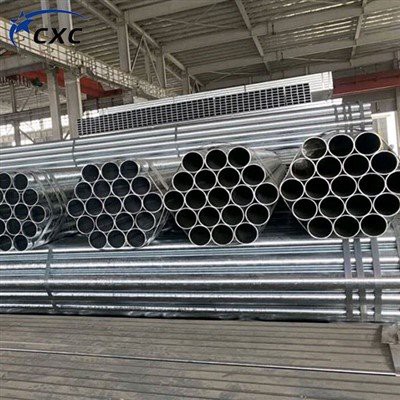
- Galvanized Square Steel Pipe: Galvanized square steel pipes are coated with a layer of zinc, which provides a sacrificial barrier that protects the steel from corrosion. These pipes are commonly used in outdoor applications, such as fencing, handrails, and structural supports. Galvanized square steel pipes have a high level of corrosion resistance, especially in environments where there is a lot of moisture or where the pipes are exposed to saltwater.
- Bright Square Steel Pipe: Bright square steel pipes are made from high-quality steel and have a smooth, shiny surface. These pipes are commonly used in applications where appearance is important, such as in furniture, decorative items, and architectural structures. Bright square steel pipes have a relatively high level of corrosion resistance, especially when they are coated with a protective layer such as painting or powder coating.
Why Corrosion Resistance Matters for Your Projects
The corrosion resistance of square steel pipes is an important factor to consider when choosing the right pipes for your projects. Pipes that have a high level of corrosion resistance will last longer, require less maintenance, and provide better performance over time. In addition, pipes that are resistant to corrosion are less likely to fail or cause safety issues, which can save you time and money in the long run.
For example, if you are building a fence or a handrail, you want to choose pipes that are resistant to corrosion, especially if the fence or handrail will be exposed to the elements. If you are building a structure such as a bridge or a building, you want to choose pipes that are resistant to corrosion, especially if the structure will be exposed to saltwater or other corrosive substances.
Conclusion
In conclusion, the corrosion resistance of square steel pipes is an important factor to consider when choosing the right pipes for your projects. By understanding the factors that influence corrosion resistance, the different types of square steel pipes available, and why corrosion resistance matters, you can make an informed decision about which pipes are best for your needs.
If you are in the market for square steel pipes, I encourage you to contact us to discuss your requirements. Our team of experts can help you choose the right pipes for your projects and provide you with the information and support you need to ensure the success of your project. We look forward to working with you!