
What is the electrical conductivity of ZAM Coated Round Steel Pipe?
When it comes to construction, manufacturing, and various industrial applications, steel pipes play a crucial role. Among the numerous types of steel pipes available in the market, ZAM Coated Round Steel Pipe has been gaining significant popularity. In this blog, we'll not only explore what ZAM Coated Round Steel Pipe is but also delve into the topic of its electrical conductivity. As a proud supplier of ZAM Coated Round Steel Pipe, I am excited to share this knowledge with you.
Understanding ZAM Coated Round Steel Pipe
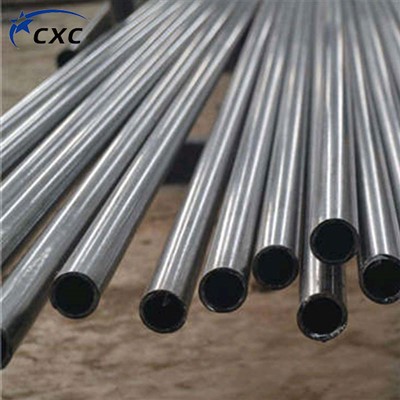
ZAM Coated Round Steel Pipe is a type of steel pipe that undergoes a unique coating process. The ZAM coating is a zinc - aluminum - magnesium alloy coating, which offers enhanced corrosion resistance compared to traditional galvanized coatings. This alloy composition forms a dense and stable protective layer on the surface of the steel pipe, effectively shielding it from the harsh effects of moisture, oxygen, and various environmental chemicals.
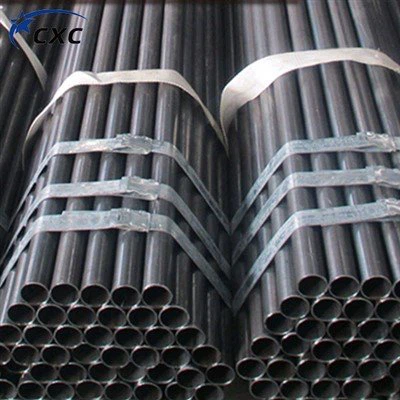
We offer a wide range of ZAM Coated Round Steel Pipe, catering to different specifications and requirements. Whether you need Hot Rolled Round Steel Tubing for large - scale construction projects or Galvanized Round Steel Pipe with the added benefits of ZAM coating for outdoor applications, we've got you covered. Our products are known for their high - quality construction, precise dimensions, and excellent surface finish. We also provide Bright Round Steel Tube and Black Round Steel Tube coated with ZAM, which are suitable for different aesthetic and functional needs.


Factors Affecting Electrical Conductivity
The electrical conductivity of a material is a measure of its ability to conduct an electric current. For ZAM Coated Round Steel Pipe, there are several factors that influence its electrical conductivity.
-
Base Steel Material: The type of steel used as the base material for the pipe has a significant impact on its electrical conductivity. Generally, steel has a relatively good electrical conductivity due to its metallic nature. Different grades of steel may have slightly different conductivity values based on their chemical composition and microstructure. For example, low - carbon steels often have better conductivity compared to high - carbon steels due to fewer impurities and a more uniform crystal structure.
-
ZAM Coating Thickness: The thickness of the ZAM coating on the steel pipe can affect its electrical conductivity. A thicker coating may act as a barrier to some extent, reducing the overall conductivity of the pipe. However, the ZAM coating is a metallic alloy, and it also has some degree of conductivity itself. The relationship between coating thickness and conductivity is complex and depends on the specific composition of the ZAM alloy and the operating conditions.
-
Temperature: Temperature plays an important role in determining the electrical conductivity of ZAM Coated Round Steel Pipe. As the temperature increases, the electrical conductivity of most metals, including steel and the ZAM alloy, generally decreases. This is because higher temperatures cause the atoms in the material to vibrate more vigorously, which scatters the electrons and makes it more difficult for them to flow freely.
-
Surface Condition: The surface condition of the ZAM Coated Round Steel Pipe can also affect its electrical conductivity. If the surface is contaminated with dirt, grease, or oxidation products, it can increase the electrical resistance and reduce the conductivity. Therefore, maintaining a clean and smooth surface is essential for achieving optimal electrical performance.
Measuring the Electrical Conductivity of ZAM Coated Round Steel Pipe
To accurately measure the electrical conductivity of ZAM Coated Round Steel Pipe, several methods can be employed. One common method is the four - point probe technique. In this method, four probes are placed on the surface of the pipe at specific intervals. A known current is passed through the outer two probes, and the voltage is measured across the inner two probes. Using Ohm's law (V = IR), the resistance of the pipe can be calculated, and then the conductivity can be determined based on the dimensions of the pipe and the measured resistance.
Another method is the eddy - current testing method. This non - destructive testing technique uses electromagnetic induction to measure the conductivity of the material. An alternating magnetic field is applied to the pipe, which induces eddy currents in the material. The strength of the eddy currents is related to the electrical conductivity of the pipe, and by analyzing the changes in the magnetic field, the conductivity can be estimated.
Electrical Conductivity in Different Applications
The electrical conductivity of ZAM Coated Round Steel Pipe has implications in various applications.
-
Electrical Conduits: In electrical installations, ZAM Coated Round Steel Pipe can be used as electrical conduits. The electrical conductivity of the pipe is important for grounding purposes. A pipe with good conductivity can effectively carry electrical currents to the ground in the event of a fault, ensuring the safety of the electrical system. Our ZAM Coated Round Steel Pipe is an excellent choice for electrical conduits due to its balanced conductivity and high corrosion resistance.
-
Lightning Protection Systems: For buildings and structures, lightning protection systems often rely on conductive materials to safely route lightning currents to the ground. ZAM Coated Round Steel Pipe can be used as part of the lightning protection network. Its ability to conduct electricity while also resisting corrosion makes it a suitable material for long - term use in this critical application.
-
Industrial Electronics and Sensors: In some industrial settings, ZAM Coated Round Steel Pipe may be used in the construction of electronic enclosures or sensor mounts. The electrical conductivity of the pipe can affect the electromagnetic shielding properties of these components, protecting sensitive electronics from electromagnetic interference.
Why Choose Our ZAM Coated Round Steel Pipe
As a leading supplier of ZAM Coated Round Steel Pipe, we take pride in offering products of the highest quality. Our pipes are manufactured using state - of - the - art technology and strict quality control measures. We ensure that each pipe meets or exceeds the industry standards for electrical conductivity, corrosion resistance, and mechanical strength.
We have a team of experienced professionals who can provide you with technical support and guidance on selecting the right ZAM Coated Round Steel Pipe for your specific application. Whether you are a contractor, an engineer, or a manufacturer, we are committed to meeting your needs and providing you with the best possible solutions.
Conclusion
In conclusion, the electrical conductivity of ZAM Coated Round Steel Pipe is influenced by various factors such as the base steel material, ZAM coating thickness, temperature, and surface condition. Understanding these factors is crucial for selecting the right pipe for applications where electrical conductivity is a critical parameter.
If you are in need of high - quality ZAM Coated Round Steel Pipe, please feel free to contact us. We look forward to discussing your requirements and starting a successful business partnership with you.