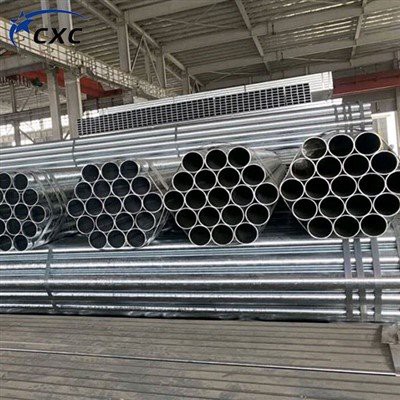

Hey there! I'm a supplier of Bright Square Steel Tubes, and I'm super excited to chat with you about how the wall thickness of these tubes can have a big impact on their performance.
First off, let's talk about what Bright Square Steel Tubes are. They're basically steel tubes with a square cross - section that have been processed to have a bright and smooth surface. These tubes are used in a whole bunch of industries, like construction, manufacturing, and automotive. And the wall thickness is one of the key factors that can determine how well they work in different applications.
Strength and Load - Bearing Capacity
One of the most obvious ways wall thickness affects performance is in terms of strength and load - bearing capacity. A thicker - walled Bright Square Steel Tube can handle more weight and stress without deforming or breaking.
Let's say you're using these tubes in a construction project, maybe for building a framework. If you choose a tube with a thin wall, it might not be able to support the weight of the structure above it. On the other hand, a tube with a thick wall can withstand heavy loads, making it a much safer option.
For example, in a high - rise building, the structural components need to be extremely strong. Thick - walled Bright Square Steel Tubes can provide the necessary strength to hold up the building, ensuring its stability and safety. In manufacturing, when these tubes are used to make machinery frames, a thicker wall can prevent the frame from bending or warping under the pressure of the machine's operation.
But it's not just about static loads. These tubes also need to handle dynamic loads, like vibrations and impacts. A thicker wall can absorb more energy during these events, reducing the risk of damage. For instance, in automotive applications, Bright Square Steel Tubes are used in parts like roll cages. A thicker - walled tube will be more resistant to the forces experienced in a collision, protecting the passengers inside the vehicle.
Durability and Corrosion Resistance
Wall thickness also plays a role in the durability and corrosion resistance of Bright Square Steel Tubes. A thicker wall provides more material for protection against corrosion.
When steel is exposed to moisture and air, it can start to rust. A thin - walled tube might corrode through more quickly, weakening the tube and reducing its lifespan. In contrast, a thick - walled tube has more layers of steel, so it takes longer for the corrosion to penetrate all the way through.
This is especially important in outdoor applications or in environments where the tubes are exposed to harsh chemicals. For example, in a coastal area where the air is salty, a thick - walled Bright Square Steel Tube will be more resistant to the corrosive effects of the saltwater. In industrial settings where the tubes might come into contact with acids or other chemicals, a thicker wall can provide better protection.
Cost - Benefit Analysis
Of course, thicker - walled tubes aren't always the best choice. There's a cost - benefit analysis that needs to be done. Thicker tubes are generally more expensive because they use more steel. So, if you don't really need the extra strength and durability, you might be overspending.


For some applications where the load requirements are relatively low, a thin - walled Bright Square Steel Tube can do the job just fine. For example, if you're using the tubes for a small DIY project or for making decorative items, a thin - walled tube will be more cost - effective.
On the other hand, if the application is critical and failure could have serious consequences, like in a bridge or an aerospace component, the extra cost of a thick - walled tube is usually worth it. It's all about finding the right balance between cost and performance.
Other Performance Factors
Wall thickness can also affect other performance factors. For example, it can impact the tube's flexibility. A thin - walled tube is generally more flexible than a thick - walled one. This can be an advantage in some applications where the tube needs to be bent or shaped.
In contrast, a thick - walled tube is stiffer, which can be beneficial in applications where stability and precision are important. For instance, in a CNC machining process, a thick - walled tube will hold its shape better, resulting in more accurate machining.
Related Products
If you're interested in other types of steel tubes, we also supply Bright Welded Steel Tube, Bright Rectangular Steel Tube, and Bright Round Steel Pipe. These products also have different wall thickness options, each with its own performance characteristics.
Conclusion and Call to Action
In conclusion, the wall thickness of Bright Square Steel Tubes has a significant impact on their performance. Whether it's strength, durability, cost - effectiveness, or other factors, choosing the right wall thickness is crucial for the success of your project.
If you're in the market for Bright Square Steel Tubes or any of our other products, we'd love to have a chat with you. We can help you figure out the best wall thickness for your specific application and provide you with high - quality products at competitive prices. So, don't hesitate to reach out to us to start a procurement discussion.