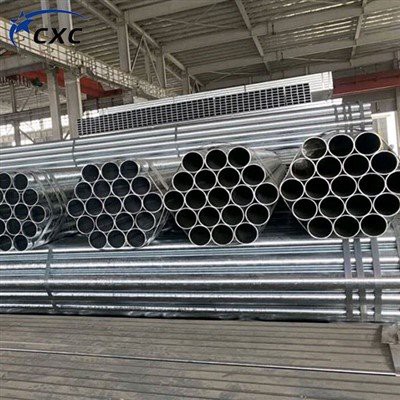

How does the wall thickness affect the performance of Precision Bright Steel Pipe?
As a supplier of Precision Bright Steel Pipe, I've witnessed firsthand the crucial role that wall thickness plays in determining the performance of these pipes. Precision Bright Steel Pipes are widely used in various industries, including automotive, machinery, and construction, due to their high precision, smooth surface finish, and excellent mechanical properties. In this blog post, I'll delve into how the wall thickness of these pipes impacts their performance.
Strength and Load-Bearing Capacity
One of the most significant ways wall thickness affects the performance of Precision Bright Steel Pipe is in its strength and load - bearing capacity. A thicker wall generally means a stronger pipe. When a pipe is subjected to internal or external pressure, the wall thickness helps to resist deformation and failure.
For example, in applications where the pipe needs to carry high - pressure fluids or gases, such as in hydraulic systems, a thicker - walled Precision Bright Steel Pipe is preferred. The extra material in the wall provides more resistance to the pressure, reducing the risk of bursting or leaking. In structural applications, a thicker wall can withstand greater loads without buckling. Whether it's supporting the weight of a building or the forces exerted in a mechanical system, a pipe with an appropriate wall thickness is essential for safety and reliability.
Resistance to Corrosion
Wall thickness also influences the pipe's resistance to corrosion. A thicker wall provides a greater amount of material that can be sacrificed to corrosion before the integrity of the pipe is compromised. In corrosive environments, such as in chemical processing plants or marine applications, the outer layer of the pipe is more likely to be attacked by corrosive agents.
A thicker - walled Precision Bright Steel Pipe can withstand corrosion for a longer period. Even if the outer surface corrodes, there is still a sufficient amount of steel remaining to maintain the pipe's structural integrity. This is particularly important in long - term applications where the pipe needs to last for many years without significant degradation.
Heat Transfer
The wall thickness of a Precision Bright Steel Pipe affects its heat transfer properties. In applications where heat transfer is a critical factor, such as in heat exchangers, the wall thickness needs to be carefully considered. A thinner wall allows for more efficient heat transfer because there is less material for the heat to pass through.
However, if the wall is too thin, it may not be able to withstand the pressure or mechanical stresses in the system. Therefore, a balance must be struck between heat transfer efficiency and the pipe's structural integrity. For example, in a refrigeration system, a Precision Bright Steel Pipe with an optimized wall thickness can ensure effective heat transfer while maintaining the necessary strength.
Machinability
When it comes to machining Precision Bright Steel Pipes, wall thickness plays a role in the ease of processing. Thicker - walled pipes may require more powerful machining tools and longer processing times. However, they also offer more material for machining operations, which can be beneficial in some cases.


For instance, if a pipe needs to be threaded or have complex features machined into it, a thicker wall provides more material to work with, reducing the risk of breakage during machining. On the other hand, thinner - walled pipes are generally easier to cut and shape, but they may be more prone to deformation during machining.
Cost - Efficiency
Wall thickness has a direct impact on the cost of Precision Bright Steel Pipes. Thicker - walled pipes require more raw material, which increases the cost of production. Additionally, the machining and processing of thicker pipes may also be more expensive due to the increased energy and time required.
However, in some applications, the added cost of a thicker - walled pipe may be justified by its superior performance. For example, in high - pressure applications where the consequences of pipe failure are severe, the cost of a thicker - walled pipe is a small price to pay for safety and reliability. On the other hand, for applications where the pressure and load requirements are relatively low, a thinner - walled pipe may be a more cost - effective option.
Impact on Different Types of Precision Bright Steel Pipes
Let's take a look at how wall thickness affects different types of Precision Bright Steel Pipes.
Bright Round Steel Pipe: Bright Round Steel Pipe is widely used in various industries. The wall thickness of a bright round steel pipe affects its strength, roundness, and straightness. A thicker wall can help maintain the round shape of the pipe under pressure, reducing the risk of ovality. It also provides better resistance to bending and torsion, making it suitable for applications where the pipe needs to withstand complex mechanical forces.
Bright Welded Steel Tube: Bright Welded Steel Tube is commonly used in applications where cost - effectiveness and a smooth surface finish are important. The wall thickness of a bright welded steel tube affects the quality of the weld and the overall strength of the tube. A thicker wall can improve the weld quality by providing more material for the welding process, reducing the risk of weld defects. It also enhances the tube's ability to withstand internal and external pressures.
Cold Drawn Bright Steel Pipe: Cold Drawn Bright Steel Pipe is known for its high precision and excellent surface finish. The wall thickness of a cold - drawn bright steel pipe affects the drawing process and the final properties of the pipe. A thicker wall may require more passes during the cold - drawing process, but it can result in a pipe with better dimensional accuracy and mechanical properties.
In conclusion, the wall thickness of Precision Bright Steel Pipe has a profound impact on its performance in terms of strength, corrosion resistance, heat transfer, machinability, and cost - efficiency. As a supplier, we understand the importance of selecting the right wall thickness for different applications. Whether you need a pipe for high - pressure systems, heat transfer applications, or structural support, we can provide you with the appropriate Precision Bright Steel Pipe.
If you are interested in purchasing Precision Bright Steel Pipes and would like to discuss your specific requirements, please feel free to contact us for a detailed consultation. Our team of experts is ready to assist you in finding the best solution for your needs.