
Can galvanized steel pipes be used in refrigeration systems? This is a question that often comes up among those involved in the refrigeration industry. As a supplier of galvanized steel pipes, I've encountered this query numerous times, and I'm here to provide a comprehensive analysis.
Understanding Galvanized Steel Pipes
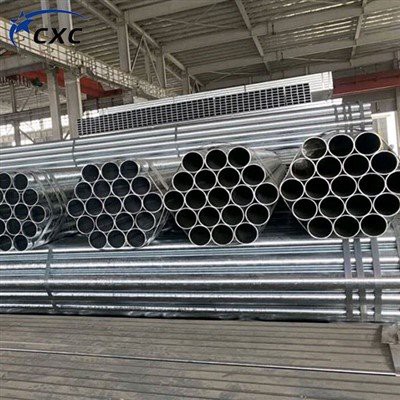
Galvanized steel pipes are steel pipes that have been coated with a layer of zinc. This coating serves as a protective barrier, preventing the steel from rusting and corroding. The galvanization process involves immersing the steel pipes in a bath of molten zinc, which forms a metallurgical bond with the steel surface. The result is a durable and long - lasting pipe that can withstand harsh environmental conditions.
There are different types of galvanized steel pipes available in the market. For instance, Galvanized Industrial Pipe is designed for heavy - duty industrial applications. It is known for its high strength and resistance to wear and tear. Galvanized Round Pipe is a popular choice for various construction and mechanical applications due to its uniform shape and smooth surface. And if you have specific requirements, Custom Galvanized Pipe can be tailored to meet your exact needs.
Requirements of Refrigeration Systems
Refrigeration systems are complex setups that require specific materials to function efficiently. The pipes in a refrigeration system are responsible for transporting refrigerants, which are substances used to transfer heat. These pipes need to have certain properties:
- Corrosion Resistance: Refrigerants can be corrosive, especially in the presence of moisture. The pipes must be able to resist corrosion to ensure a long service life.
- Thermal Conductivity: Good thermal conductivity is essential for efficient heat transfer. The pipes should be able to transfer heat from the refrigerant to the surrounding environment or vice versa.
- Pressure Resistance: Refrigeration systems operate under high pressure. The pipes need to be able to withstand these pressures without leaking or bursting.
- Compatibility with Refrigerants: The pipes must be compatible with the refrigerants used in the system. Some refrigerants may react with certain materials, leading to degradation and reduced performance.
Advantages of Using Galvanized Steel Pipes in Refrigeration Systems
- Corrosion Resistance: The zinc coating on galvanized steel pipes provides excellent corrosion resistance. This is crucial in refrigeration systems, where the presence of moisture and corrosive refrigerants can cause significant damage to unprotected pipes. The zinc layer acts as a sacrificial anode, corroding in place of the steel and extending the life of the pipe.
- Strength and Durability: Galvanized steel pipes are known for their high strength. They can withstand the high pressures typically found in refrigeration systems. This reduces the risk of pipe failure and ensures the reliability of the system.
- Cost - Effectiveness: Compared to some other materials used in refrigeration systems, such as copper, galvanized steel pipes are more cost - effective. This makes them an attractive option for large - scale refrigeration projects where cost is a significant factor.
Disadvantages of Using Galvanized Steel Pipes in Refrigeration Systems
- Thermal Conductivity: While galvanized steel pipes have some thermal conductivity, they are not as efficient as copper pipes. Copper has a much higher thermal conductivity, which means it can transfer heat more effectively. In a refrigeration system, this can result in better energy efficiency and faster cooling.
- Compatibility Issues: Some refrigerants may not be fully compatible with the zinc coating on galvanized steel pipes. Over time, the refrigerant may react with the zinc, leading to the formation of deposits or corrosion products. This can clog the pipes and reduce the performance of the refrigeration system.
- Internal Surface Roughness: The galvanization process can result in a slightly rough internal surface of the pipes. This roughness can increase the friction of the refrigerant flow, leading to higher energy consumption and reduced system efficiency.
Case Studies and Real - World Applications
In some small - scale refrigeration systems, such as those used in domestic refrigerators or small walk - in coolers, galvanized steel pipes have been used successfully. These systems typically operate at lower pressures and do not require the same level of heat transfer efficiency as large - scale industrial refrigeration systems.
However, in large - scale industrial refrigeration applications, such as those in food processing plants or cold storage warehouses, copper pipes are more commonly used. The need for high - efficiency heat transfer and the potential compatibility issues with certain refrigerants make copper a more suitable choice in these scenarios.


Considerations for Using Galvanized Steel Pipes in Refrigeration Systems
If you are considering using galvanized steel pipes in a refrigeration system, there are several factors to keep in mind:
- Refrigerant Type: Make sure to choose a refrigerant that is compatible with galvanized steel. Consult with the refrigerant manufacturer or a refrigeration expert to determine the best option.
- System Design: The design of the refrigeration system should take into account the properties of galvanized steel pipes. For example, you may need to adjust the pipe diameter or the layout of the system to compensate for the lower thermal conductivity and higher friction.
- Maintenance: Regular maintenance is essential when using galvanized steel pipes in a refrigeration system. This includes inspecting the pipes for signs of corrosion or damage and cleaning the internal surfaces to prevent clogging.
Conclusion
In conclusion, galvanized steel pipes can be used in refrigeration systems, but it is not a one - size - fits - all solution. They offer advantages such as corrosion resistance and cost - effectiveness, but also have limitations in terms of thermal conductivity and compatibility with certain refrigerants.
For small - scale and less demanding refrigeration applications, galvanized steel pipes can be a viable option. However, for large - scale industrial refrigeration systems, other materials like copper may be more appropriate.
If you are interested in using galvanized steel pipes in your refrigeration system or have any questions about our products, we welcome you to contact us for a detailed discussion. We can provide you with the necessary information and help you make an informed decision based on your specific requirements.