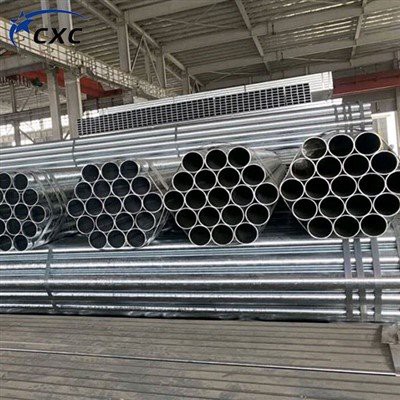

Galvanised metal tubing, known for its corrosion - resistant properties, has long been a staple in various industries. As a supplier of galvanised metal tubing, I am often asked whether it can be used in automotive applications. In this blog, we will explore the viability of galvanised metal tubing in the automotive sector, looking at its advantages, limitations, and common uses.
Advantages of Galvanised Metal Tubing in Automotive Applications
Corrosion Resistance
One of the most significant benefits of galvanised metal tubing is its excellent corrosion resistance. In the automotive industry, vehicles are exposed to a variety of harsh environmental conditions, including road salt, moisture, and chemicals. Galvanisation involves coating the metal with a layer of zinc, which acts as a sacrificial anode. When the zinc layer is exposed to the elements, it corrodes instead of the underlying metal, protecting the tubing from rust and degradation. This is particularly important for automotive components that are in contact with the ground or exposed to the weather, such as exhaust systems, chassis components, and suspension parts.
Strength and Durability
Galvanised metal tubing retains the inherent strength of the base metal, typically steel. This makes it suitable for applications where structural integrity is crucial. In automotive applications, the tubing can withstand the stresses and strains associated with vehicle operation, including vibrations, impacts, and weight loads. For example, galvanised tubing can be used in the construction of the vehicle's frame, providing a strong and stable foundation for the entire structure.
Cost - Effectiveness
Compared to some other corrosion - resistant materials, galvanised metal tubing is relatively cost - effective. The galvanisation process is well - established and can be applied to a large volume of tubing at a reasonable cost. This makes it an attractive option for automotive manufacturers looking to balance performance and cost. By using galvanised tubing, they can reduce the long - term maintenance costs associated with corrosion and extend the lifespan of the vehicle's components.
Limitations of Galvanised Metal Tubing in Automotive Applications
Weldability
While galvanised metal tubing is generally strong and durable, its weldability can be a challenge. The zinc coating on the tubing can cause issues during the welding process. When the zinc is heated during welding, it can vaporize and create fumes that are harmful to the welder's health. Additionally, the zinc can interfere with the quality of the weld, leading to porosity and other defects. To overcome these challenges, special welding techniques and procedures need to be employed, which can increase the complexity and cost of the manufacturing process.
Aesthetic Considerations
In some automotive applications, aesthetics play an important role. Galvanised metal tubing has a distinct appearance, which may not be suitable for all vehicle designs. The rough, matte finish of the zinc coating may not match the sleek and polished look that many consumers expect in modern vehicles. For applications where the tubing is visible, such as in custom car builds or high - end automotive designs, alternative materials or finishing processes may be preferred.
Temperature Sensitivity
Galvanised metal tubing has a limited temperature range. At high temperatures, the zinc coating can start to break down, reducing its corrosion - resistant properties. In automotive applications, this can be a concern for components that are exposed to high heat, such as exhaust systems. While the tubing can withstand normal operating temperatures, extended exposure to extreme heat may require additional heat - resistant coatings or materials.
Common Automotive Applications of Galvanised Metal Tubing
Exhaust Systems
Galvanised metal tubing is commonly used in exhaust systems. The corrosion - resistant properties of the zinc coating make it suitable for withstanding the harsh environment inside the exhaust, which includes hot gases, moisture, and acidic by - products. The tubing can be bent and shaped to fit the specific requirements of the vehicle's exhaust layout. For example, Galvanized Round Pipe can be used to create the main exhaust pipes, while Galvanized Hollow Pipe may be used for smaller components such as exhaust tips.
Chassis and Frame Components
The strength and durability of galvanised metal tubing make it an ideal choice for chassis and frame components. These parts need to provide a stable and rigid structure for the vehicle, and the corrosion resistance of the galvanised tubing ensures that they can withstand the rigors of daily use. Custom Galvanized Pipe can be fabricated to meet the specific design requirements of different vehicle models, providing a tailored solution for automotive manufacturers.
Suspension Systems
Galvanised metal tubing is also used in suspension systems. The tubing can be used to create control arms, sway bars, and other suspension components. The corrosion resistance of the galvanised tubing helps to prevent rust and wear, ensuring that the suspension system remains reliable and performs optimally. Pre Galvanized Steel Pipe can be used in the manufacturing of these components, providing a high - quality and cost - effective solution.
Conclusion
In conclusion, galvanised metal tubing can be used in a variety of automotive applications. Its corrosion resistance, strength, and cost - effectiveness make it an attractive option for many automotive manufacturers. However, it also has some limitations, such as weldability issues, aesthetic considerations, and temperature sensitivity. By understanding these advantages and limitations, automotive manufacturers can make informed decisions about whether to use galvanised metal tubing in their products.
As a supplier of galvanised metal tubing, we are committed to providing high - quality products that meet the specific needs of the automotive industry. Our Galvanized ERW Steel Pipe is manufactured using advanced techniques to ensure its strength and corrosion resistance. If you are interested in using galvanised metal tubing in your automotive applications, we invite you to contact us for further information and to discuss your specific requirements. We look forward to working with you to find the best solution for your automotive manufacturing needs.