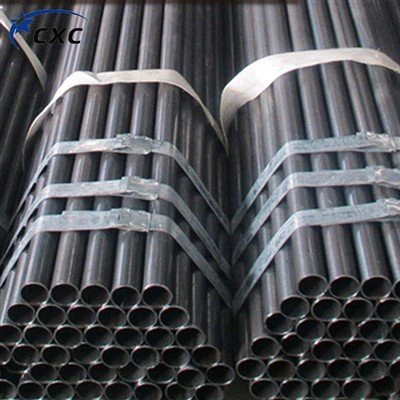

Hey there! As a supplier of Galvanized Steel Pipes, I often get asked if these pipes can be used in oil and gas pipelines. Well, let's dive right into this topic and find out.
What are Galvanized Steel Pipes?
First off, let's quickly go over what galvanized steel pipes are. Galvanized steel pipes are regular steel pipes that have been coated with a layer of zinc. This zinc coating acts as a protective barrier, preventing the steel from rusting and corroding. It's like giving the steel pipe a suit of armor!
There are different types of galvanized steel pipes we offer, like Galvanized Round Pipe. These round pipes are super versatile and can be used in a bunch of different applications. We also have Galvanized ERW Steel Pipe, which is made using the Electric Resistance Welding method. And if you have specific requirements, we can even make Custom Galvanized Pipe just for you.
Can They Be Used in Oil and Gas Pipelines?
Now, the big question: can galvanized steel pipes be used in oil and gas pipelines? The answer is, it depends.
On one hand, there are some advantages to using galvanized steel pipes in oil and gas applications. The zinc coating on the pipes provides excellent corrosion resistance. In oil and gas pipelines, corrosion is a major concern. If the pipes corrode, it can lead to leaks, which are not only dangerous but also costly to fix. The zinc coating helps to extend the lifespan of the pipes by protecting the underlying steel from the harsh environments often found in oil and gas operations.
Another benefit is that galvanized steel pipes are relatively easy to install. They are readily available in the market, and the installation process is well - understood. This can save time and money during the pipeline construction phase.
However, there are also some limitations. Oil and gas pipelines often carry substances at high pressures and temperatures. Galvanized steel pipes may not be suitable for extremely high - temperature applications. The zinc coating can start to degrade at relatively high temperatures, which could compromise the integrity of the pipe.
Also, the zinc coating may react with certain chemicals present in oil and gas. For example, in the presence of hydrogen sulfide, which is commonly found in some oil and gas reserves, the zinc can react to form zinc sulfide. This reaction can cause the coating to break down over time, reducing its protective properties.
Factors to Consider
When deciding whether to use galvanized steel pipes in oil and gas pipelines, several factors need to be taken into account.
1. Temperature and Pressure
As mentioned earlier, high temperatures and pressures can be a problem for galvanized steel pipes. If the pipeline is going to operate at temperatures above a certain threshold (usually around 392°F or 200°C), the zinc coating may start to lose its effectiveness. So, it's crucial to know the operating temperature and pressure of the pipeline before choosing galvanized steel pipes.


2. Chemical Composition of the Fluids
The chemical makeup of the oil and gas being transported is also important. If the fluids contain aggressive chemicals like hydrogen sulfide or acids, the zinc coating may be at risk of corrosion. In such cases, alternative materials might be a better choice.
3. Pipeline Location
The location of the pipeline can also play a role. If the pipeline is buried underground, it may be exposed to different soil conditions. Some soils can be more corrosive than others, and this needs to be considered when evaluating the suitability of galvanized steel pipes.
Alternatives to Galvanized Steel Pipes
If galvanized steel pipes aren't the best option for your oil and gas pipeline, there are other alternatives available. Stainless steel pipes, for example, offer excellent corrosion resistance even in high - temperature and high - pressure environments. They are more expensive than galvanized steel pipes, but they may be worth the investment in certain situations.
Another option is carbon steel pipes with a different type of coating, such as epoxy coating. Epoxy coatings can provide good protection against corrosion and can be more suitable for some oil and gas applications.
Our Experience as a Supplier
Over the years, we've supplied galvanized steel pipes to various industries, including those in the oil and gas sector. We've seen firsthand the challenges and successes associated with using these pipes in different applications.
We understand that every project is unique, and we work closely with our customers to determine the best solution for their specific needs. Whether it's providing technical advice on the suitability of galvanized steel pipes or offering custom - made pipes, we're here to help.
Conclusion
So, can galvanized steel pipes be used in oil and gas pipelines? The answer is that they can be, but it's not a one - size - fits - all solution. There are pros and cons to using these pipes, and several factors need to be considered before making a decision.
If you're in the process of planning an oil and gas pipeline project and are considering galvanized steel pipes, we'd love to have a chat with you. Our team of experts can provide you with all the information you need to make an informed decision. Whether you need Galvanized Round Pipe, Galvanized ERW Steel Pipe, or Custom Galvanized Pipe, we're here to assist you. Don't hesitate to reach out for a consultation and let's discuss how we can meet your requirements.
References
- "Corrosion in Oil and Gas Pipelines: Causes and Prevention", Journal of Petroleum Engineering
- "Galvanized Steel Pipe: Properties and Applications", Steel Industry Review