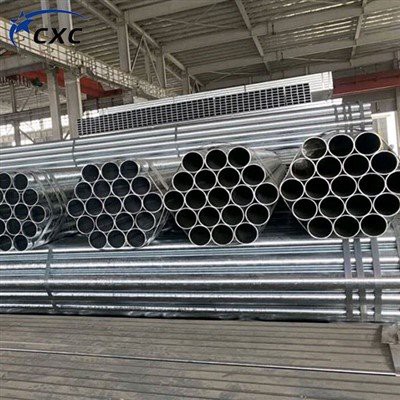

As a supplier of galvanized steel pipes, I often get asked whether galvanized steel pipes can be welded. It's a valid question, especially for those in construction, manufacturing, and other industries that rely on these pipes. So, let's dive into this topic and clear up any confusion.
Understanding Galvanized Steel Pipes
First off, what are galvanized steel pipes? Well, they're regular steel pipes that have been coated with a layer of zinc. This zinc coating is like a protective shield, preventing the steel from rusting and corroding. There are different types of galvanized steel pipes, such as Galvanized Rectangular Steel Tube, Pre Galvanized Steel Pipe, and Galv Square Steel Tubing. Each type has its own unique applications, but they all share that zinc coating.


Can You Weld Galvanized Steel Pipes?
The short answer is yes, you can weld galvanized steel pipes. But it's not as simple as welding regular steel. The zinc coating on the pipes can cause some issues during the welding process.
When you weld galvanized steel, the heat from the welding arc vaporizes the zinc. This vapor can create some problems. For one, it can produce a lot of fumes. These fumes are not only unpleasant but can also be harmful if inhaled. In fact, breathing in zinc fumes can lead to a condition called "metal fume fever," which causes symptoms like fever, chills, nausea, and fatigue. So, proper ventilation is a must when welding galvanized steel.
Another issue is that the vaporized zinc can cause porosity in the weld. Porosity means there are tiny holes or voids in the weld, which can weaken the joint. This is because the zinc vapor tries to escape through the molten weld metal, creating bubbles. To prevent porosity, you need to take some extra steps.
Welding Methods for Galvanized Steel Pipes
There are several welding methods you can use for galvanized steel pipes. Let's take a look at some of the most common ones.
Shielded Metal Arc Welding (SMAW)
SMAW, also known as stick welding, is a popular method for welding galvanized steel. It's relatively simple and doesn't require a lot of expensive equipment. With SMAW, you use an electrode that has a flux coating. The flux helps to protect the weld from the atmosphere and also provides some cleaning action.
When using SMAW to weld galvanized steel, you need to be careful. The zinc coating can make the arc unstable, so you may need to adjust your welding parameters. You also need to make sure to clean the area around the weld to remove any loose zinc.
Gas Metal Arc Welding (GMAW)
GMAW, or MIG welding, is another option. It's faster and more efficient than SMAW. With GMAW, you use a wire electrode that is fed through a welding gun. A shielding gas is also used to protect the weld from the atmosphere.
When welding galvanized steel with GMAW, you need to use a shielding gas that is suitable for the job. Argon and carbon dioxide mixtures are commonly used. You also need to make sure to keep the welding gun at the right angle and distance from the workpiece.
Flux-Cored Arc Welding (FCAW)
FCAW is similar to GMAW, but it uses a flux-cored wire instead of a solid wire. The flux in the wire provides some of the shielding, so you may not need to use an external shielding gas.
FCAW can be a good option for welding galvanized steel because it can handle the zinc coating better than some other methods. However, it can also produce more fumes, so proper ventilation is still important.
Tips for Welding Galvanized Steel Pipes
Here are some tips to help you weld galvanized steel pipes successfully:
- Clean the area: Before you start welding, make sure to clean the area around the weld. You can use a wire brush or a grinder to remove any loose zinc or dirt. This will help to prevent porosity in the weld.
- Use the right welding parameters: The welding parameters, such as the current, voltage, and travel speed, need to be adjusted for galvanized steel. You may need to do some test welds to find the right settings.
- Ventilate the area: As I mentioned earlier, welding galvanized steel produces fumes. Make sure to work in a well-ventilated area or use a fume extractor to remove the fumes.
- Wear protective gear: When welding, you should always wear protective gear, such as a welding helmet, gloves, and a welding jacket. This will protect you from the heat, sparks, and fumes.
Applications of Welded Galvanized Steel Pipes
Welded galvanized steel pipes have a wide range of applications. They're commonly used in construction for things like handrails, fences, and structural supports. They're also used in the manufacturing industry for making machinery and equipment.
In the plumbing industry, welded galvanized steel pipes are used for water supply lines. The zinc coating helps to prevent corrosion, which can extend the lifespan of the pipes.
Conclusion
So, to answer the question, yes, galvanized steel pipes can be welded. But you need to be aware of the challenges and take the necessary precautions. By using the right welding method, adjusting the welding parameters, and following the tips I've provided, you can weld galvanized steel pipes successfully.
If you're in the market for galvanized steel pipes, we're here to help. We offer a wide range of high-quality galvanized steel pipes, including Galvanized Rectangular Steel Tube, Pre Galvanized Steel Pipe, and Galv Square Steel Tubing. Whether you're a contractor, a manufacturer, or a DIY enthusiast, we have the pipes you need. Contact us today to discuss your requirements and get a quote.