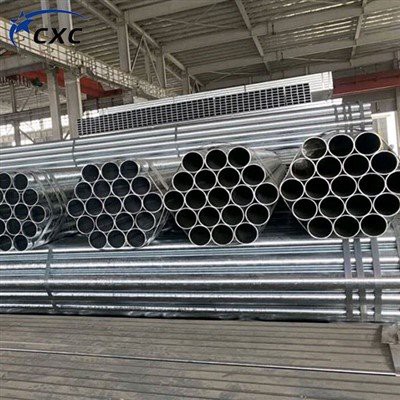

Electrical conductivity is a fundamental property that plays a crucial role in various applications, especially when it comes to materials like galvanized steel pipes. As a supplier of galvanized steel pipes, understanding the electrical conductivity of these products is not only essential for technical knowledge but also for meeting the diverse needs of our customers.
Understanding Galvanized Steel Pipes
Galvanized steel pipes are steel pipes that have been coated with a layer of zinc through a process called galvanization. This coating serves to protect the steel from corrosion, significantly extending its lifespan. There are different types of galvanized steel pipes available in the market, each with its own characteristics and applications. For instance, Galvanised Metal Tubing is often used in structural applications where strength and corrosion resistance are required. Galvanised Carbon Steel Pipe combines the properties of carbon steel with the protective zinc coating, making it suitable for a wide range of industrial and construction projects. And Hot Dip Galvanized Steel Pipe is known for its thick and durable zinc coating, which provides excellent protection in harsh environments.
Factors Affecting the Electrical Conductivity of Galvanized Steel Pipes
The electrical conductivity of galvanized steel pipes is influenced by several factors. Firstly, the base material, which is steel, has its own inherent electrical conductivity. Steel is a good conductor of electricity, but its conductivity can be affected by impurities and alloying elements. For example, the presence of certain elements like sulfur or phosphorus can reduce the conductivity of steel.
The zinc coating on the galvanized steel pipe also has an impact on its electrical conductivity. Zinc is a relatively good conductor of electricity, but its conductivity is lower than that of copper or aluminum. The thickness of the zinc coating can affect the overall electrical conductivity of the pipe. A thicker coating may increase the resistance slightly, but it also provides better corrosion protection.
The surface condition of the galvanized steel pipe is another important factor. If the surface is dirty, oxidized, or has a layer of paint or other contaminants, it can increase the electrical resistance. Therefore, proper surface preparation is crucial to ensure good electrical conductivity.
Measuring the Electrical Conductivity of Galvanized Steel Pipes
To measure the electrical conductivity of galvanized steel pipes, various methods can be used. One common method is the four - point probe method. This method involves applying a known current through two outer probes and measuring the voltage across two inner probes. The electrical conductivity can then be calculated using Ohm's law.
Another method is the eddy - current testing method. This non - destructive testing technique uses electromagnetic induction to measure the electrical conductivity of the material. It is a fast and efficient way to assess the conductivity of galvanized steel pipes, especially in industrial settings.
Applications of Galvanized Steel Pipes Based on Electrical Conductivity
Galvanized steel pipes are used in a wide range of applications where electrical conductivity is a factor. In electrical grounding systems, galvanized steel pipes are often used as grounding electrodes. Their good electrical conductivity allows them to effectively dissipate electrical charges into the ground, protecting electrical equipment and people from electrical hazards.
In telecommunications, galvanized steel pipes can be used as conduits for electrical cables. The pipes provide mechanical protection for the cables while also allowing for the flow of electrical current. Their corrosion resistance ensures the long - term reliability of the cable installation.
In some industrial applications, galvanized steel pipes are used in electrical circuits where a certain level of electrical conductivity is required. For example, in some manufacturing processes, the pipes may be used to carry electrical signals or power.
Comparison with Other Materials
When comparing the electrical conductivity of galvanized steel pipes with other materials, it is important to note that materials like copper and aluminum have much higher electrical conductivity. Copper is widely used in electrical wiring due to its excellent conductivity, but it is also more expensive. Aluminum is also a good conductor and is lighter than copper, but it has some limitations in terms of its corrosion resistance.
Galvanized steel pipes offer a good balance between electrical conductivity and corrosion resistance. They are more affordable than copper and can be used in applications where high conductivity is not the primary requirement but corrosion protection is crucial.


Our Role as a Galvanized Steel Pipe Supplier
As a supplier of galvanized steel pipes, we are committed to providing our customers with high - quality products that meet their specific needs. We ensure that our galvanized steel pipes have consistent electrical conductivity by carefully controlling the manufacturing process. We use high - quality steel as the base material and apply a uniform zinc coating to ensure good corrosion resistance and electrical performance.
We also offer technical support to our customers. If you have any questions about the electrical conductivity of our galvanized steel pipes or need advice on the best product for your application, our team of experts is ready to assist you. Whether you are working on a small electrical project or a large - scale industrial installation, we can provide you with the right galvanized steel pipes and the necessary guidance.