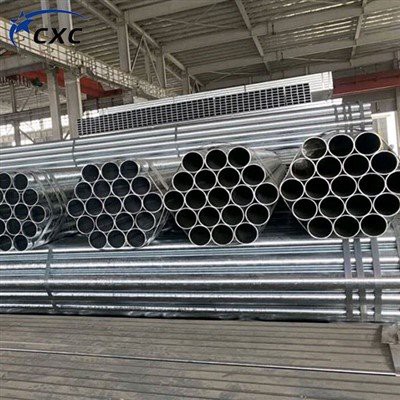

Galvanized steel pipes are a staple in many industries, valued for their durability and resistance to corrosion. As a leading supplier of galvanized steel pipes, I often get asked about the lifespan of these essential products. In this blog, we'll explore the factors that influence how long galvanized steel pipes last and what you can do to maximize their longevity.
Understanding Galvanization
Before we dive into the lifespan of galvanized steel pipes, it's important to understand what galvanization is. Galvanization is the process of applying a protective zinc coating to steel or iron to prevent rusting. This coating acts as a barrier between the metal and the environment, significantly reducing the risk of corrosion. There are two main methods of galvanization: hot-dip galvanizing and electro-galvanizing.
Hot-dip galvanizing involves immersing the steel pipe in a bath of molten zinc. This process creates a thick, durable zinc coating that provides excellent protection against corrosion. Electro-galvanizing, on the other hand, uses an electric current to deposit a thin layer of zinc onto the steel surface. While electro-galvanized pipes are less expensive, they generally have a shorter lifespan compared to hot-dip galvanized pipes.
Factors Affecting the Lifespan of Galvanized Steel Pipes
The lifespan of galvanized steel pipes can vary widely depending on several factors. Here are some of the key factors that can influence how long your galvanized steel pipes will last:
Environmental Conditions
The environment in which the galvanized steel pipes are installed plays a significant role in their lifespan. Pipes exposed to harsh conditions, such as high humidity, saltwater, or acidic environments, are more likely to experience corrosion and have a shorter lifespan. For example, pipes used in coastal areas or industrial settings where they are exposed to chemicals or pollutants may need to be replaced more frequently.
Coating Thickness
The thickness of the zinc coating is another important factor. A thicker coating provides more protection against corrosion and can extend the lifespan of the pipe. Hot-dip galvanized pipes typically have a thicker coating compared to electro-galvanized pipes, which is why they are often preferred for applications where long-term durability is required.
Maintenance
Proper maintenance can also have a significant impact on the lifespan of galvanized steel pipes. Regular inspections can help identify any signs of corrosion or damage early on, allowing for timely repairs or replacements. Additionally, keeping the pipes clean and free from debris can help prevent the accumulation of moisture and other contaminants that can accelerate corrosion.
Installation
The way the pipes are installed can also affect their lifespan. Pipes that are installed correctly, with proper support and alignment, are less likely to experience stress and damage. Improper installation, such as over-tightening joints or using incorrect fittings, can lead to leaks and premature corrosion.
Typical Lifespan of Galvanized Steel Pipes
Under normal conditions, hot-dip galvanized steel pipes can last anywhere from 30 to 50 years or more. Electro-galvanized pipes, on the other hand, typically have a lifespan of 10 to 20 years. However, these are just general estimates, and the actual lifespan of your pipes may vary depending on the factors mentioned above.
In some cases, galvanized steel pipes can last even longer. For example, pipes used in low-humidity environments or those that are well-maintained can have a lifespan of up to 70 years or more. On the other hand, pipes exposed to extreme conditions may need to be replaced within a few years.
Maximizing the Lifespan of Galvanized Steel Pipes
As a supplier of galvanized steel pipes, I want to ensure that our customers get the most out of their investment. Here are some tips to help you maximize the lifespan of your galvanized steel pipes:
Choose the Right Coating
When selecting galvanized steel pipes, consider the environment in which they will be used. For applications in harsh environments, hot-dip galvanized pipes are generally the best choice due to their thicker coating and better corrosion resistance.
Proper Installation
Make sure the pipes are installed correctly by a qualified professional. This includes using the right fittings, ensuring proper support, and following the manufacturer's installation guidelines.
Regular Maintenance
Schedule regular inspections to check for signs of corrosion or damage. If any issues are detected, address them promptly to prevent further damage. Keep the pipes clean and free from debris to prevent the accumulation of moisture and other contaminants.


Protection from External Factors
If the pipes are exposed to harsh conditions, consider using additional protective measures such as painting or wrapping the pipes. This can provide an extra layer of protection against corrosion.
Our Product Offerings
As a leading supplier of galvanized steel pipes, we offer a wide range of products to meet your specific needs. Our Custom Galvanized Pipe options allow you to get pipes tailored to your exact specifications. We also provide Galv Square Steel Tubing and Galvanized Rectangular Steel Tube for various applications.
Contact Us for Your Galvanized Steel Pipe Needs
If you're in the market for high-quality galvanized steel pipes, we'd love to hear from you. Our team of experts can help you choose the right products for your project and provide you with all the information you need to ensure their long-term performance. Whether you're a contractor, a builder, or a DIY enthusiast, we have the products and expertise to meet your needs.