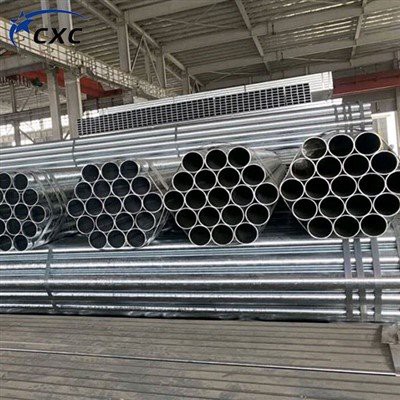

Can galvanized steel pipes be used in gas pipelines? This is a question that often pops up in the industry, and as a galvanized steel pipes supplier, I'm here to break it down for you.
First off, let's talk about what galvanized steel pipes are. Galvanized steel pipes are regular steel pipes that have been coated with a layer of zinc. This zinc coating serves as a protective barrier, preventing the steel from rusting and corroding. There are different types of galvanized steel pipes, like Galvanized ERW Steel Pipe, Hot Dip Galvanized Steel Pipe, and Galv Square Steel Tubing. Each type has its own unique features and applications.
Now, back to the main question: Can they be used in gas pipelines? Well, the answer isn't a simple yes or no. There are a few factors to consider.


Advantages of Using Galvanized Steel Pipes in Gas Pipelines
One of the biggest advantages of galvanized steel pipes is their corrosion resistance. Gas pipelines are often buried underground or exposed to various environmental conditions. Over time, regular steel pipes would start to rust, which could lead to leaks and other safety issues. The zinc coating on galvanized steel pipes helps to protect the steel from these corrosive elements, extending the lifespan of the pipeline.
Galvanized steel pipes are also relatively strong and durable. They can withstand high pressure, which is important for gas pipelines. Gas is usually transported under pressure, and the pipes need to be able to handle that pressure without breaking or leaking. Galvanized steel pipes have the strength to do just that.
Another benefit is that galvanized steel pipes are cost - effective. Compared to some other materials used in gas pipelines, like stainless steel, galvanized steel pipes are more affordable. This makes them a popular choice for projects where budget is a concern.
Disadvantages and Limitations
However, there are also some drawbacks to using galvanized steel pipes in gas pipelines. One issue is the potential for zinc corrosion products to accumulate inside the pipes. When the zinc coating reacts with the gas or other substances in the pipeline, it can form zinc compounds. These compounds can build up over time and cause blockages in the pipeline, reducing the flow of gas.
In some cases, the zinc coating may not be thick enough to provide long - term protection. If the pipeline is exposed to highly corrosive environments, such as areas with high levels of moisture or acidic soil, the zinc coating may wear off faster, leaving the steel vulnerable to corrosion.
There are also some safety regulations and standards to consider. Different regions have different rules regarding the use of galvanized steel pipes in gas pipelines. Some areas may allow it, while others may have strict requirements or even prohibit it altogether. It's crucial to check with the local authorities and follow the relevant safety codes before using galvanized steel pipes in a gas pipeline project.
Industry Practices and Alternatives
In the gas industry, the use of galvanized steel pipes is still quite common, especially in small - scale or low - pressure gas systems. For example, in some residential or small commercial applications, galvanized steel pipes are used to distribute natural gas within a building.
However, for large - scale and high - pressure gas transmission pipelines, other materials are often preferred. Stainless steel, for instance, offers better corrosion resistance and is less likely to form blockages. It's also more suitable for use in harsh environments. Another alternative is polyethylene pipes, which are lightweight, flexible, and have excellent corrosion resistance.
Our Offerings as a Supplier
As a galvanized steel pipes supplier, we offer a wide range of products to meet different needs. Our Galvanized ERW Steel Pipe is made using the electric resistance welding process, which ensures a high - quality weld and a smooth interior surface. This type of pipe is suitable for various applications, including gas pipelines in some cases.
Our Hot Dip Galvanized Steel Pipe is dipped in a bath of molten zinc, resulting in a thick and uniform zinc coating. This provides better protection against corrosion compared to other galvanizing methods.
And our Galv Square Steel Tubing is great for applications where a square shape is required, such as in some gas pipeline support structures.
Conclusion and Call to Action
In conclusion, galvanized steel pipes can be used in gas pipelines, but it depends on the specific circumstances. You need to consider the advantages and disadvantages, as well as the local regulations. If you're thinking about using galvanized steel pipes for your gas pipeline project, we're here to help. We can provide you with high - quality products and professional advice. Whether you need Galvanized ERW Steel Pipe, Hot Dip Galvanized Steel Pipe, or Galv Square Steel Tubing, we've got you covered. If you have any questions or want to discuss your project in more detail, don't hesitate to reach out. Let's work together to find the best solution for your gas pipeline needs.